From Vintage Glam to Modern Stage Magic: The Allure of Burlesque & Effeuillage
Few performance arts blend glamour, storytelling, satire, and sensuality as seamlessly as burlesque and effeuillage.
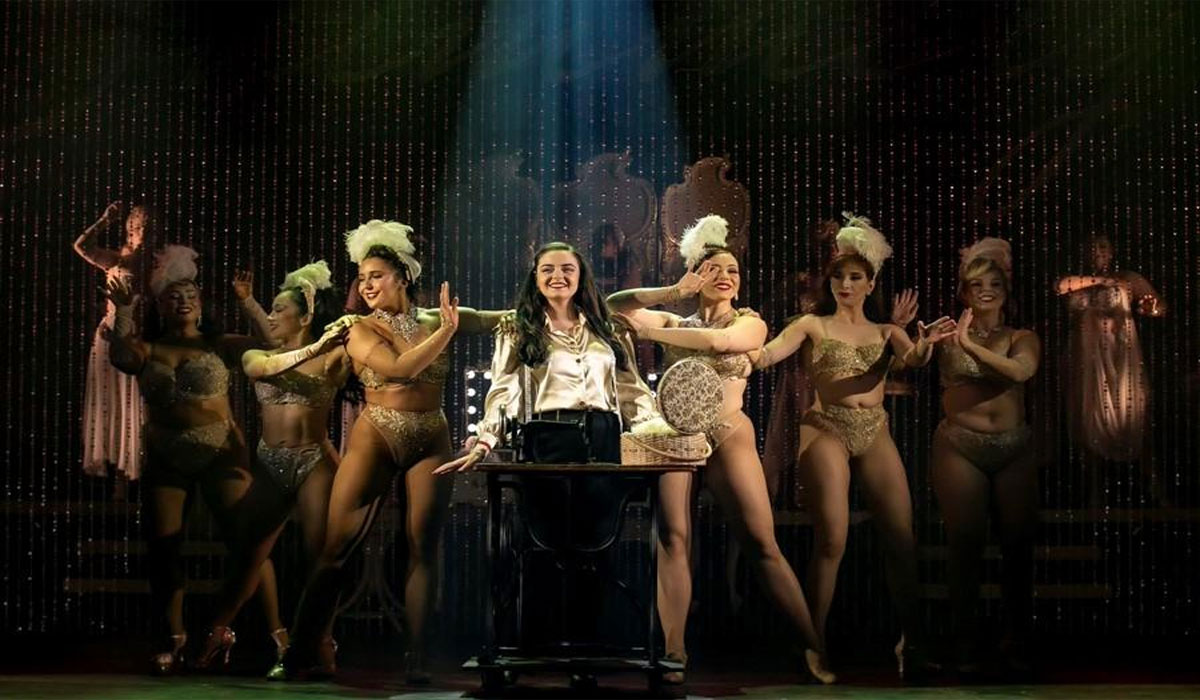
Once rooted in theatrical parody and playful tease, these art forms have evolved into powerful expressions of creativity and confidence. In 2026, burlesque is experiencing a vibrant revival, captivating new audiences while honoring its rich history. Stay tuned The Art of Sensual Movement dive into inspiring tales that show how education shapes not just minds, but character.
The Origins of Burlesque and Effeuillage
Burlesque originated in 19th-century Europe as a theatrical parody that combined comedy, music, and exaggerated performances. The term itself comes from the Italian word burla, meaning joke or mockery. Early productions often spoofed serious operas and classical dramas, adding humor and spectacle to traditional storytelling.
As burlesque traveled to the United States, it transformed into a more variety-based entertainment format. By the early 20th century, American burlesque featured comedians, singers, dancers, and elaborate stage productions. Effeuillage, a French term meaning to shed leaves, became associated with the art of the tease, emphasizing elegance and gradual costume removal rather than explicit display.
Contrary to common misconceptions, classic burlesque was never simply about undressing. It was about performance, timing, character, and wit. The art relied on suggestion and charisma, creating a captivating experience built on anticipation and theatrical flair.
The Golden Age of Glamour
The 1920s through the 1950s marked the golden era of burlesque. Lavish costumes adorned with feathers, sequins, corsets, and gloves became iconic. Performers cultivated stage personas that blended humor, charm, and bold self-expression, transforming burlesque into a celebration of individuality.
During this era, grand theaters and cabarets hosted elaborate productions that drew large audiences. The performances combined music, comedy sketches, and dance routines, making burlesque a mainstream entertainment form. Effeuillage artists mastered the slow reveal, turning the act of removing a glove or stocking into a dramatic highlight.
However, shifting social norms and the rise of new media gradually pushed burlesque to the fringes of popular culture. By the late 20th century, it had lost much of its mainstream visibility, though dedicated communities kept the tradition alive in smaller venues and underground scenes.
Also Read: You Won’t Believe How These Sensual Workouts Are Changing Fitness in 2026
The Modern Revival
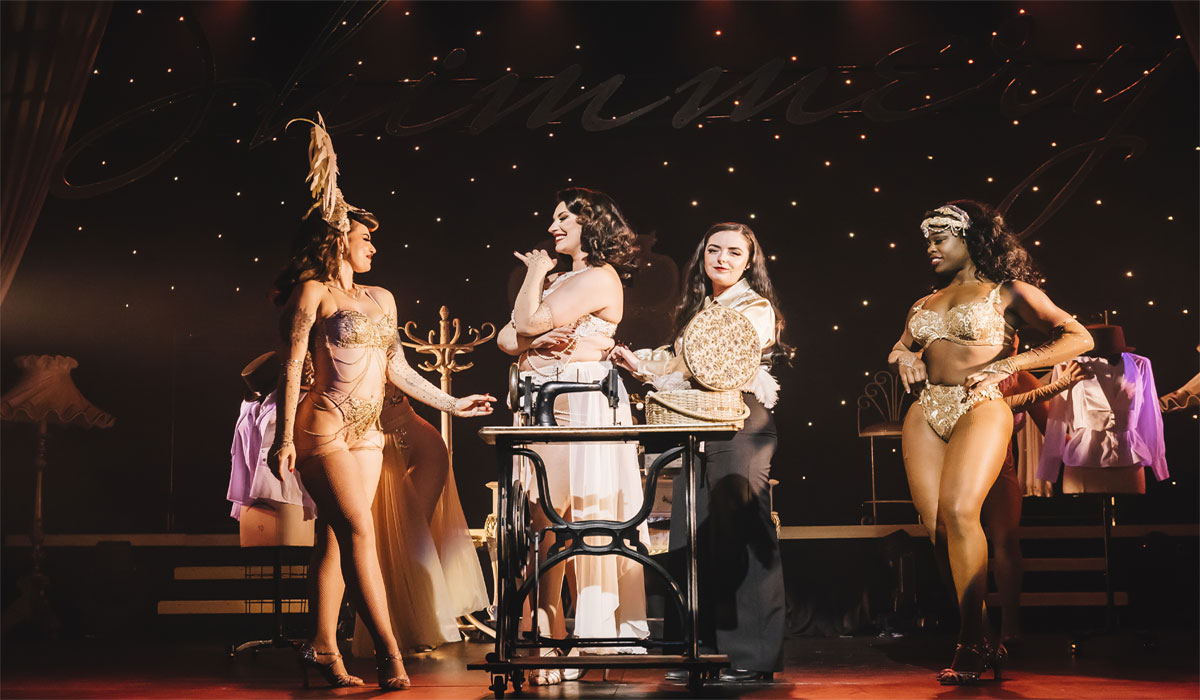
In recent decades, burlesque has undergone a striking renaissance. Contemporary performers blend vintage aesthetics with modern themes, incorporating diverse body types, gender expressions, and artistic styles. This revival celebrates empowerment, inclusivity, and creative freedom.
Modern burlesque shows often feature elaborate choreography, innovative storytelling, and multimedia elements. While honoring traditional elements like glamour and tease, performers experiment with new music genres, cultural influences, and theatrical concepts. The result is a dynamic fusion of old-world elegance and contemporary performance art.
Social media and digital platforms have also played a significant role in the revival. Artists can now share performances, promote events, and connect with global audiences more easily than ever before. This accessibility has helped burlesque reach younger generations curious about its artistry and cultural significance.
Empowerment and Artistic Expression
One of the most compelling aspects of modern burlesque and effeuillage is their focus on empowerment. Performers often describe stepping onto the stage as an act of reclaiming confidence and celebrating their bodies on their own terms. The art form encourages self-expression without conforming to narrow beauty standards.
Audiences, too, are drawn to the atmosphere of celebration and creativity. Rather than objectification, contemporary burlesque emphasizes agency, humor, and artistry. Each performance tells a story, inviting viewers to appreciate the craft behind every movement and costume detail.
Workshops and classes have further expanded the community, allowing individuals to explore burlesque as a hobby or creative outlet. These spaces foster supportive environments where participants can build confidence, learn stage skills, and embrace personal authenticity.
Conclusion
From its origins as theatrical parody to its glamorous golden age and vibrant modern revival, burlesque and effeuillage continue to captivate audiences with their unique blend of artistry and allure. Far more than simple spectacle, these performance traditions celebrate storytelling, humor, elegance, and empowerment.
In 2026, their enduring appeal lies in the ability to honor vintage glamour while embracing modern inclusivity and innovation. As long as there are stages to light up and stories to tell, the magic of burlesque will continue to shine brightly.
Image Source:
- First Image from guruberdaya.org
- Second Image from shutterstock.com