The Stunning World of Performance & Stage Art That Makes Every Show Unforgettable
The world of performance and stage art has always been a fascinating blend of creativity, emotion, and human expression.

From grand theatrical productions to intimate dance performances, stage art captures stories that words alone cannot fully convey. It is a living art form where movement, sound, lighting, and storytelling merge to create unforgettable experiences for audiences around the world.
Stay tuned The Art of Sensual Movement dive into inspiring tales that show how education shapes not just minds, but character.
The Rich History of Performance and Stage Art
Performance and stage art have existed for thousands of years and are deeply connected to human culture. Ancient civilizations such as the Greeks and Romans developed early forms of theater that explored mythology, politics, and philosophy. These early performances were not only entertainment but also powerful ways to share ideas and cultural values with society.
During the Middle Ages and the Renaissance, stage performances continued to evolve. Traveling performers, musicians, and actors brought stories to towns and villages, making theater accessible to wider audiences. This period also saw the rise of elaborate stage designs and the development of dramatic storytelling that influenced many modern productions.
By the nineteenth and twentieth centuries, stage art had expanded into numerous forms including opera, ballet, musical theater, and experimental performance art. Each era added new techniques, technologies, and artistic visions, shaping the vibrant stage culture that audiences enjoy today.
The Creative Elements Behind a Powerful Stage Performance
A successful stage performance is the result of many creative elements working together in harmony. Actors and performers bring characters to life through emotion, voice, and physical movement. Their ability to connect with the audience often determines whether a performance becomes truly memorable.
Stage design is another essential component. Set designers carefully craft the environment in which the story unfolds, using props, structures, and visual details to transport audiences into different worlds. A well designed stage can make a historical drama feel authentic or transform a simple play into a visually stunning experience.
Lighting and sound also play critical roles in shaping the mood of a performance. Strategic lighting can highlight emotions, create tension, or guide the audience’s attention to key moments on stage. Meanwhile, music and sound effects enhance the emotional depth of the story and make each scene more immersive.
Also Read: From Vintage Glam to Modern Stage Magic: The Allure of Burlesque & Effeuillage
The Global Influence of Performance and Stage Art
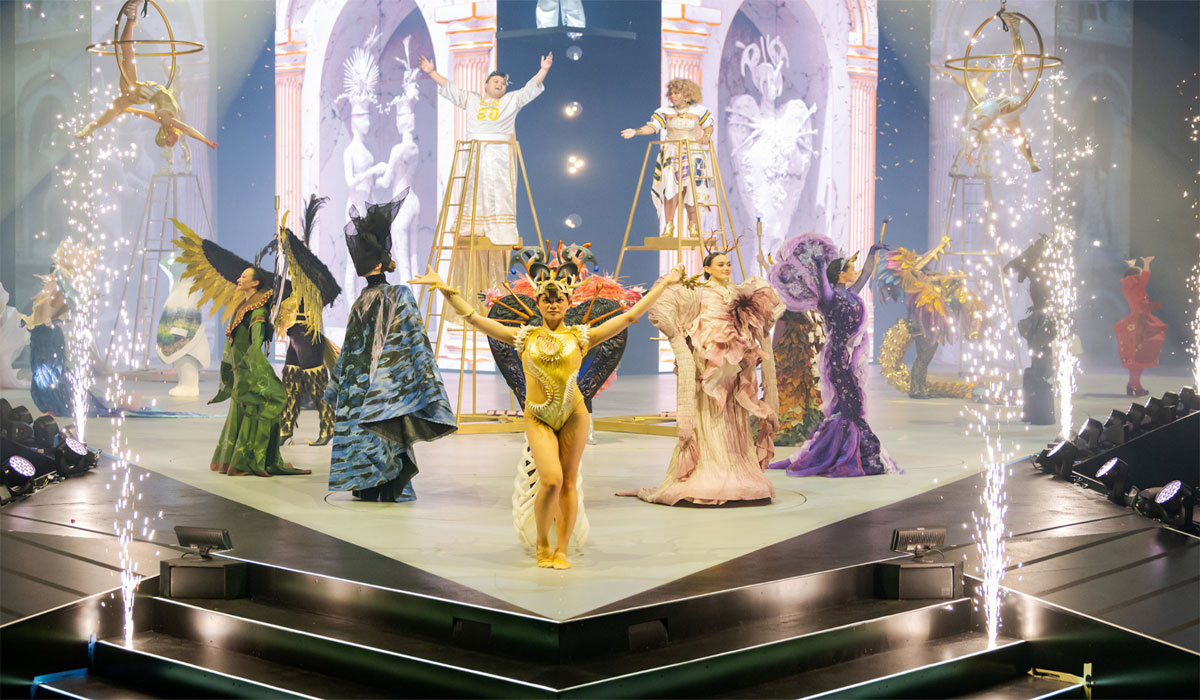
Performance and stage art exist in many cultural forms across the world. In Asia, traditional theatrical styles such as kabuki and shadow puppetry combine storytelling with music and elaborate costumes. These performances often carry deep historical and spiritual significance that has been preserved for generations.
In Europe and the Americas, theater and musical productions have developed into major entertainment industries. Broadway in New York and the West End in London are famous for producing world class shows that attract millions of visitors each year. These productions often involve large casts, complex stage technology, and impressive choreography.
Beyond large theaters, community performances and local art festivals also play an important role in preserving stage traditions. Small productions allow emerging artists to experiment with new ideas and connect directly with their communities. In many places, stage art remains a powerful way for people to share cultural identity and creative expression.
The Future of Stage Art in a Changing World
As technology continues to evolve, performance and stage art are entering an exciting new era. Digital projections, advanced lighting systems, and immersive sound technologies are transforming how stories are presented on stage. These innovations allow directors and designers to create visually spectacular productions that were once impossible.
Virtual and hybrid performances are also becoming more common. Some productions now combine live stage performances with digital streaming, allowing audiences from different parts of the world to experience the show. This approach has expanded the reach of stage art and introduced it to new global audiences.
Despite these technological changes, the core of stage art remains the same. The power of live performance lies in the connection between performers and the audience. The shared emotional experience created in a theater cannot be fully replicated through screens, making stage art a unique and irreplaceable form of storytelling.
Conclusion
Performance and stage art continue to captivate audiences because they combine creativity, culture, and human emotion in a way that few other art forms can achieve. From ancient theatrical traditions to modern high tech productions, stage art has constantly evolved while preserving its essential purpose of storytelling and expression. As new generations of artists bring fresh ideas and innovations to the stage, the world of performance art will remain a powerful and unforgettable experience for audiences everywhere.
Image Source:
- First Image from guruberdaya.org
- Second Image from shutterstock.com