Pole Dance Secrets Revealed: The Stunning Moves You Won’t Believe!
Imagine watching a dancer effortlessly spin through the air, suspend their body above the ground, and transition into breathtaking.
Behind every spectacular movement lies a fascinating combination of strength, technique, flexibility, and artistic expression. Pole dancing is far more than an eye-catching performance. The Art of Sensual Movement It is a demanding physical discipline filled with impressive techniques, surprising skills, and secrets that make every routine unforgettable.
The Hidden Techniques Behind Breathtaking Pole Dance Moves
What makes pole dancing so mesmerizing is the incredible variety of movements dancers can perform using a single vertical pole. From elegant spins and controlled climbs to dramatic inversions, each technique requires a combination of muscular strength, balance, and coordination. Although some movements appear effortless, they often demand years of practice and a thorough understanding of body positioning. Even the simplest-looking spin can involve carefully controlled grips, precise timing, and continuous muscular engagement.
One of the fundamental techniques is the pole climb, which allows dancers to lift themselves vertically while maintaining contact with the pole. It may look straightforward, but climbing requires substantial upper-body and core strength, along with coordinated leg positioning. Another popular movement is the fireman spin, a beginner-friendly spinning technique in which the dancer wraps their legs around the pole while rotating around it. As skills develop, dancers can explore increasingly complex variations that combine spins, transitions, and dramatic poses.
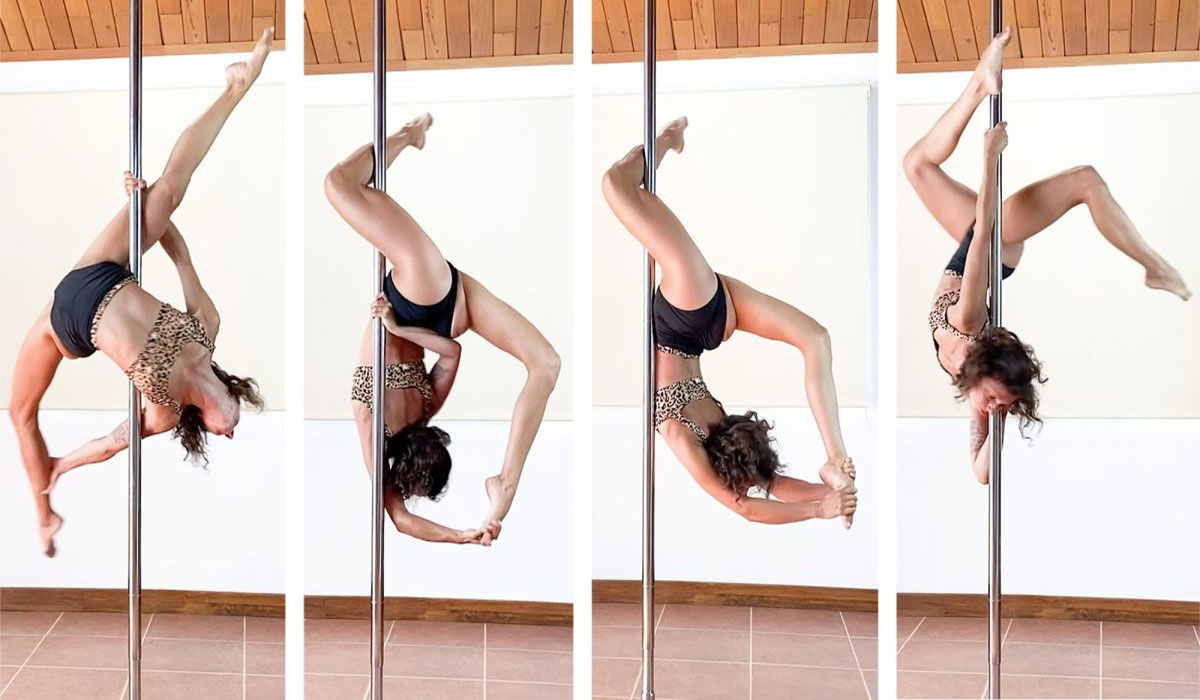
Perhaps the most astonishing movements are inversions, where dancers turn their bodies upside down while maintaining control of the pole. These impressive tricks require considerable strength, body awareness, and technical preparation. Advanced movements such as the butterfly, extended layouts, and various aerial combinations demonstrate the extraordinary athleticism involved in pole dancing. The secret behind these spectacular performances is not simply natural talent. It is consistent training, proper technique, and the determination to master each movement safely.
Strength, Flexibility, and the Science of Stunning Performances
Behind every gravity-defying pole dance trick is a remarkable amount of physical conditioning. Dancers rely heavily on their upper bodies to support and reposition themselves while using their abdominal muscles to stabilize the torso. The shoulders, arms, back, and legs also play essential roles in maintaining control. Developing these muscle groups helps dancers execute movements more efficiently and reduces unnecessary strain during challenging combinations.
Flexibility is equally important, particularly when performing dramatic extensions, splits, backbends, and graceful transitions. However, flexibility alone does not create an impressive performance. Dancers must also develop active flexibility, which involves using muscular strength to control the body throughout an extended range of motion. This combination of mobility and strength allows performers to achieve beautiful shapes without sacrificing stability or control. Regular stretching, strength exercises, and appropriate recovery can support gradual improvement.
Another fascinating element is body awareness. Experienced dancers understand how small adjustments in their grip, leg placement, and center of gravity can dramatically influence a movement. They learn to coordinate their bodies with the pole while maintaining fluidity and precision. Rhythm and musical interpretation also contribute to the overall performance, transforming individual tricks into a captivating sequence. This combination of physical science and artistic creativity is what makes professional pole dancing so visually extraordinary.
Read Also: Unleash Your Inner Confidence: The Unexpected Magic of Pole Dancing!
The Artistic Secrets That Make Every Pole Dance Performance Unique
While impressive tricks attract attention, the true beauty of pole dancing often comes from the artistry connecting each movement. A memorable routine is not simply a collection of difficult techniques. It is a carefully developed performance that combines choreography, musical interpretation, emotional expression, and visual storytelling. Dancers use pauses, transitions, floorwork, and changes in movement quality to create an experience that captures the audience’s attention from beginning to end.
Musicality is one of the most important elements of an engaging routine. Rather than performing movements randomly, dancers coordinate their spins, poses, and transitions with the rhythm, tempo, and emotional atmosphere of a chosen song. A slow musical passage might inspire elegant extensions and controlled movements, while an energetic section could feature powerful spins and dynamic combinations. These creative decisions give performances personality and make each dancer’s interpretation distinctive.
Costumes, lighting, facial expressions, and stage presence can further enhance the experience. Some performers choose glamorous outfits and dramatic presentation, while others prefer minimalist costumes that emphasize movement and technique. Different styles of pole dancing also offer different artistic experiences, including exotic flow, contemporary pole, and athletic pole sport. There is no single formula for an unforgettable performance. The most compelling routines combine technical ability with authenticity, allowing dancers to communicate their individuality through movement.
Mastering the Secrets of Pole Dancing Safely and Successfully
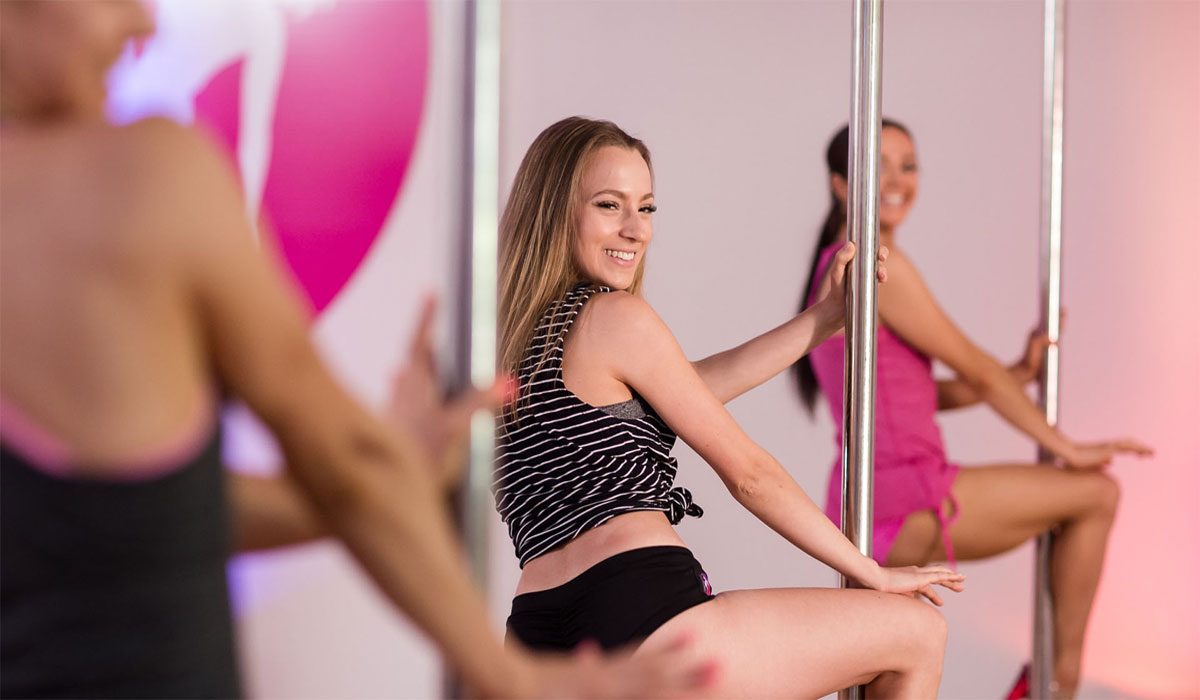
For beginners eager to discover these stunning techniques, the most important secret is to start with the fundamentals. Learning basic grips, spins, climbs, and floor transitions provides the foundation needed for more advanced movements. A qualified instructor can demonstrate correct positioning, identify technical mistakes, and introduce new skills according to individual abilities. Previous dance experience can be helpful, but it is certainly not a requirement for beginning pole dancing.
Safety should always come before impressive tricks. Proper warm-ups prepare the muscles and joints for demanding movements, while structured conditioning helps develop the strength required for climbing and aerial techniques. Beginners should avoid attempting advanced inversions or complicated combinations without appropriate instruction and supervision. Using properly installed equipment, allowing adequate recovery, and recognizing physical limitations are also essential. Developing skills gradually is far more rewarding than rushing into movements before the body is ready.
Consistency, patience, and a positive attitude are ultimately the ingredients behind lasting progress. Some techniques may take several sessions to understand, while others require weeks or months of dedicated practice. Keeping track of improvements, celebrating small achievements, and learning from mistakes can make the experience especially satisfying. Whether someone dreams of performing on stage or simply wants to explore a challenging new fitness activity, pole dancing offers an exciting opportunity to discover strength, creativity, and confidence.
Final Summary
The secrets of pole dancing reveal an extraordinary world where athletic ability meets artistic imagination. Behind every breathtaking spin, impressive inversion, and graceful transition are countless hours of practice, carefully developed techniques, and remarkable physical conditioning. What appears effortless to an audience is actually the result of strength, flexibility, balance, coordination, and dedication.
From mastering beginner spins to exploring advanced aerial tricks, pole dancing offers endless opportunities for learning and personal achievement. Its combination of fitness and creative expression makes it a uniquely rewarding discipline for people with different goals and experience levels.